Rapper rhymes serve as a powerful bridge between hip-hop culture and LGBTQ spaces, turning lyrical expression into a tool for visibility, resistance, and celebration within communities like Toronto’s leather scene. When artists blend sharp wordplay with queer narratives, they create anthems that speak to shared experiences of identity, resilience, and pride. This fusion isn’t new, but it’s gaining momentum as more LGBTQ-identifying rappers and allies claim space in a genre historically dominated by heteronormative voices.
The connection runs deeper than music. Hip-hop’s core elements of authenticity, self-expression, and community building mirror the values at the heart of leather culture and events like Toronto Leather Pride. Both spaces demand courage to show up fully as yourself, to claim your story, and to find strength in collective identity. Rapper rhymes amplify these themes through rhythm and poetry, giving voice to experiences that mainstream narratives often silence or ignore.
Toronto’s scene reflects this cultural convergence. Recent events showcasing hip-hop artists at venues like The Phoenix demonstrate how the city’s LGBTQ community embraces diverse forms of creative expression. When rappers spit verses about identity, desire, and defiance, they’re doing more than entertaining. They’re creating sonic safe spaces where leather enthusiasts, drag performers, trans activists, and queer youth can all find themselves reflected in the beat.
This isn’t about forcing hip-hop into queer spaces or treating it as a novelty. It’s about recognizing that both cultures share DNA rooted in marginalized communities finding power through art. Understanding this relationship enriches how we celebrate diversity and build inclusive spaces. The rhymes matter because they tell our stories, challenge assumptions, and remind us that empowerment sounds different for everyone.
When Beat Meets Leather: The Rise of Hip-Hop in Queer Spaces
Walk into a Toronto queer event today and you might hear bass-heavy beats dropping alongside the familiar thrum of leather and chains. Hip-hop has carved out legitimate space within LGBTQ community gatherings, and nowhere is this more visible than in Toronto’s leather scene, where artistic expression refuses to fit into neat boxes.
The shift challenges long-held assumptions about who claims rap culture as their own. For decades, mainstream narratives positioned hip-hop and queer identity as incompatible, but queer artists have always been part of the genre’s DNA. What’s changed is visibility and the unapologetic claiming of that space. Toronto’s leather community has embraced this evolution, recognizing that empowerment looks different for different people. Some find it in harnesses and boots; others in wordplay and flow. Many find strength in both.
Recent events demonstrate this cultural blend in action. On December 6, 2025, Toronto Collective announced a concert at The Phoenix Toronto for December 19th, presented by Supreme Genes Records and Lord Fury, featuring CL Smooth. The post garnered 360 likes and 33 comments, showing genuine community engagement with hip-hop programming in local queer-friendly spaces.
This isn’t about tokenism or checking boxes. It’s about acknowledging that leather culture has always been about rejecting mainstream conformity and creating space for authentic self-expression. Hip-hop fits naturally into that framework. The leather community’s embrace of rap culture reflects a broader truth: real community building means making room for all the ways people find their voice, whether that’s through a microphone or a carefully chosen harness.
The Power of Wordplay: Why Rhymes Matter for Representation
Reclaiming Narratives Through Verse
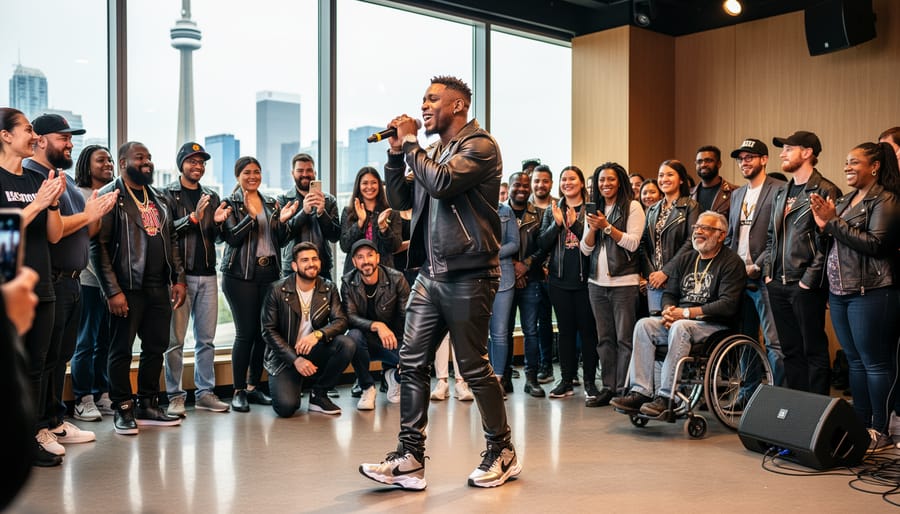
For too long, mainstream rap has told queer stories through someone else’s lens, or erased them entirely. Artists in Toronto’s leather community are flipping that script. When queer rappers step to the mic, they’re not asking for permission to exist in hip-hop. They’re claiming the space that’s always been theirs.
The power lies in specificity. A verse about navigating family rejection while wearing leather at Pride carries weight no outsider narrative can match. These rhymes document real lives: the joy of finding chosen family, the defiance of loving loudly, the complexity of existing at intersections the industry pretends don’t exist. Every bar becomes an act of resistance against the limiting stories others try to write.
This isn’t about seeking approval from gatekeepers who never wanted us anyway. It’s about young queer kids hearing someone who sounds like them, loves like them, dresses like them, and realizing they don’t have to edit themselves to deserve a voice. When we control the narrative, we write ourselves whole instead of acceptable. We rhyme our truth into existence, and suddenly we’re not alone in it.
Building Bridges Across Communities
Hip-hop’s greatest strength has always been its ability to bring people together across boundaries that might otherwise divide us. In Toronto’s LGBTQ community, rapper rhymes are creating conversation spaces where leather daddies share playlists with drag queens, where trans artists collaborate with cisgender allies, and where generations connect through shared beats and bold lyrics.
The beauty of this cultural moment is its refusal to stay in a single lane. When queer rappers take the stage at venues throughout the city, they draw crowds that reflect the full spectrum of our community, not just by identity, but by interest, experience, and background. A hip-hop night can attract someone who’s never set foot in a leather bar alongside a longtime Pride organizer, united by respect for authentic artistic expression.
These gatherings do more than entertain. They create what community organizers call “third spaces”, environments where people can discover common ground beyond their usual circles. A young person exploring their identity might find mentorship. An ally curious about leather culture might ask thoughtful questions in the safety of shared appreciation for music. The rhymes themselves become conversation starters, opening doors that might have stayed closed in more segregated spaces.
This bridge-building matters because our community’s strength lies in its diversity, not despite it.
Toronto’s Hip-Hop Scene: Where Community Meets Culture
Toronto’s hip-hop scene has become a laboratory for inclusive culture. The city’s venues aren’t just hosting concerts, they’re cultivating spaces where queer artists and fans can show up as their full selves. This shift reflects something larger: a recognition that hip-hop belongs to anyone with a story to tell and the courage to claim the mic.
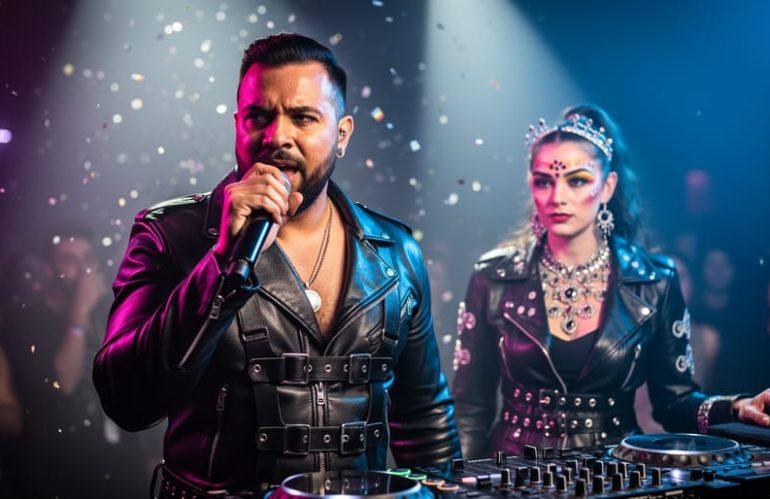
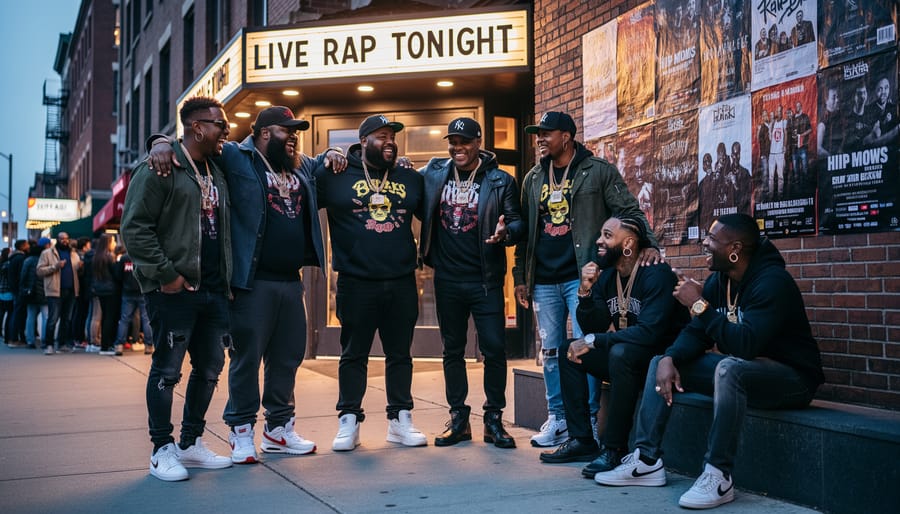
Walk into events like Prism Party and you’ll see how music creates connection. These gatherings center celebration without erasing identity, proving that bass-heavy beats and leather can absolutely coexist. The crowd is diverse, not as a checkbox but as a lived reality. People come for the music and stay for the community.
Toronto LGBTQ+ DJs have been instrumental in shaping this landscape, creating sonic environments where everyone belongs. Their sets blend genres and break assumptions about what queer spaces should sound like. Hip-hop sits comfortably alongside house, dancehall, and everything in between.
Recent concerts signal growing momentum. Supreme Genes Records and Lord Fury presented a show at The Phoenix Toronto featuring CL Smooth, drawing enthusiastic crowds who engaged both online and in person. These events matter because they demonstrate demand, audiences hungry for artists who represent multiple facets of identity.
Local talent deserves spotlight too. Artists across the city are crafting rhymes that speak to intersectional experiences, weaving narratives about love, struggle, triumph, and community that resonate beyond any single demographic. They’re not waiting for permission from gatekeepers. They’re building their own stages.
The intimacy of Toronto’s scene creates advantages. Unlike massive markets where artists can feel swallowed by industry machinery, this city offers proximity. Fans can actually meet the artists shaping culture, have conversations, build relationships. That accessibility strengthens bonds between performers and community.
What makes this moment significant isn’t just that queer hip-hop exists in Toronto, it’s that it’s thriving with increasing visibility and support. Venues are saying yes. Promoters are taking chances. Audiences are showing up. Each event becomes proof that there’s room for all of us in spaces that once felt closed off or unwelcoming.
What Rapper Rhymes Teach Us About Empowerment
Creating rhymes demands vulnerability. Every verse an artist writes exposes their truth, their struggles, their dreams. This act of putting yourself out there, knowing you might face judgment, rejection, or worse, mirrors the courage required to live authentically in LGBTQ spaces. When a queer rapper steps to the mic, they’re not just performing. They’re claiming their right to exist loudly in a genre that hasn’t always welcomed them.
The discipline of crafting rhymes teaches us about building something meaningful from raw experience. A skilled rapper doesn’t just throw words together; they shape language into patterns that resonate, that stick, that move people to action. This creative process parallels how we build community: taking our individual stories, finding the connections between them, and weaving something stronger together than any of us could create alone.
Hip-hop culture offers powerful lessons for community empowerment that align perfectly with Toronto Leather Pride’s values:
- Authenticity commands respect, pretending to be someone you’re not gets called out fast
- Collaboration amplifies individual voices, features and cyphers create space for multiple perspectives
- Mastery comes through practice, nobody starts as a legend, growth happens through showing up
- Your story matters, unique experiences become universal truths when told with honesty
- Community witnesses excellence, performing for each other builds collective confidence
The freestyle cipher embodies democratic empowerment. In a circle, everyone gets their moment, regardless of status or experience. Beginners learn alongside veterans. The only requirement is showing up ready to participate. This structure creates exactly the kind of inclusive space where diverse voices thrive.
When we watch someone deliver a verse that makes the crowd erupt, we’re witnessing self-expression becoming community celebration. That transformation, from individual courage to collective joy, is what empowerment looks like. It’s why artistic expression matters beyond entertainment. Every rhyme that challenges stereotypes, every performance that centers queer experience, every cipher that makes space for newcomers strengthens our entire community’s ability to claim our place proudly.
Supporting Artists Who Support Our Community
Supporting artists isn’t passive, it’s how we shape the culture we want to live in. When you share your pride by showing up for LGBTQ hip-hop artists, you’re casting a vote for the kind of community Toronto becomes.
Start with your wallet and your presence. Buy music directly from queer artists instead of streaming alone. Attend their shows, even small ones. The December concert at The Phoenix Toronto featuring artists like CL Smooth, presented by local promoters, shows how grassroots organizing creates space for diverse voices. These events only happen when people fill seats.
Amplify what moves you. Share tracks on your social media with genuine enthusiasm, not empty gestures. Tag artists when you post about their work. Write thoughtful comments that go beyond emojis. When a queer rapper drops a verse that resonates, tell people why it matters.
Support local artists by connecting them with opportunities. Know someone booking a Pride event? Recommend that artist whose wordplay knocked you sideways. Run a community space? Invite them to perform or lead a workshop on lyricism and storytelling.
Create demand for inclusivity. When venues and festivals book diverse line-ups, thank them publicly. When they don’t, ask why. Your voice as a community member carries weight.
Most importantly, listen without imposing your expectations. Let queer hip-hop artists define their own narratives, their own sound, their own version of what it means to be seen and heard. Your role is to witness, celebrate, and make room for voices that have fought to claim their space in the cipher.
Rapper rhymes in Toronto’s LGBTQ leather community aren’t background noise. They’re declarations. Every verse crafted by a queer artist, every show that centers marginalized voices, every crowd that gathers to celebrate authentic expression, these moments build something lasting. They create visibility where erasure once existed. They offer resistance against narratives that never made room for us. Most importantly, they celebrate the full spectrum of who we are.
The craft itself mirrors our community’s values. Writing rhymes demands vulnerability and precision. It requires showing up as your whole self, claiming your story, and trusting that your truth matters. That’s the same courage we honor at Toronto Leather Pride, the willingness to be seen, to connect across difference, and to build spaces where everyone belongs.
When queer artists take the mic, they’re not just performing. They’re teaching younger generations that their voices count, that hip-hop culture has room for them, that leather spaces welcome diverse forms of expression. That legacy matters. It shapes what’s possible for those coming after us.
Supporting these artists means showing up. Attend concerts like the December 19th event at The Phoenix Toronto. Share their work. Make space in conversations that have excluded us for too long. Let’s keep building a community where love, understanding, and artistic freedom aren’t exceptions, they’re the foundation. That’s how we create belonging that lasts.